
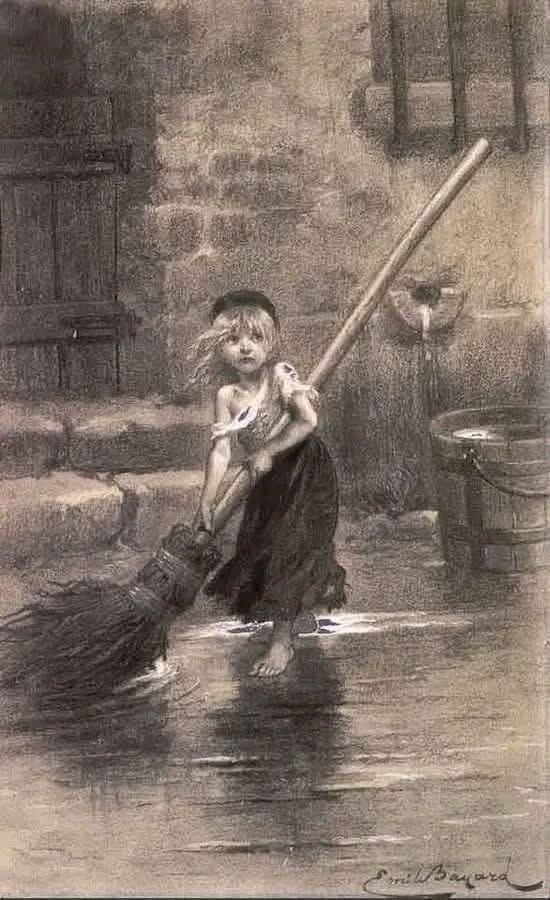
“God will never permit anything to happen to us that is not for our greater good.” — Padre Pio
What about suffering?
An answer in a hurry…
Hi sweetheart, I’m praying you’re all well.
I’ll answer you according to the teaching of the Holy Catholic Church.
While God does not directly will suffering, He permits it in order to bring about a greater good—both for the individual and for the world. He can draw profound spiritual benefit from it and transform it into grace.
Why does God allow suffering?
1. Personal sanctification and purification
Suffering refines the soul. Like fire that tests gold, it strips away superficial attachments—such as dependence on wealth, comfort, or status—and helps a person grow in what truly matters.
It becomes a powerful means of developing patience, humility, and perseverance.
2. Spiritual maturity
Suffering confronts us with our limitations and often leads to a deeper turning toward God. It draws us into a more sincere and intimate life of prayer.
3. Redemptive suffering for others
When we unite our sufferings with the Passion of Christ, they take on a redemptive dimension. This is one of the most beautiful and distinctive teachings of the Catholic Church.
By offering our suffering to God, it becomes a form of intercession—a powerful prayer that can obtain grace for others, especially for their conversion or in times of need.
As St. Paul writes:
“I rejoice in my sufferings for your sake, and in my flesh I am filling up what is lacking in the afflictions of Christ for the sake of His body, the Church.” (Colossians 1:24)
This does not mean that Christ’s sacrifice was insufficient. Rather, it means that Paul participates in Christ’s redemptive work through his own sufferings, contributing to the building up of the Church.
4. Manifestation of God’s glory
At times, suffering allows God’s power to be revealed more clearly. When a person endures pain with peace, faith, and trust in God, it becomes a powerful witness to others that His grace is truly sufficient—even in the hardest moments.
Suffering can also awaken compassion and “unleash love” in others, inspiring them to care, serve, and support those who are in pain.
Offering it up
In Catholic tradition, “offering it up” means consciously turning our suffering into prayer. While Christ’s sacrifice is complete and perfect, He invites us to share in His redemptive work by uniting our own small crosses with His.
Examples To Live This in Daily Life
1. The Morning Offering
A beautiful way to begin the day is by offering everything to God:
O Jesus, through the Immaculate Heart of Mary, I offer You my prayers, works, joys, and sufferings of this day, in union with the Holy Sacrifice of the Mass throughout the world. I offer them for all the intentions of Your Sacred Heart: the salvation of souls, reparation for sin, and the reunion of all Christians. I offer them for the intentions of our bishops, of all the Apostles of Prayer, and in particular for those recommended by our Holy Father this month.
2. Offer specific sufferings for others
When you experience a particular pain or inconvenience, you can “assign” it as an act of love. This shifts the focus from your own discomfort to charity for others.
- For others:
“Lord, I offer the pain of this headache for my friend who is going through a divorce.” - For the world:
“I offer this frustration in traffic for the conversion of sinners.” - For the deceased:
You can offer small discomforts for the souls in Purgatory.
Or simply pray in your heart:
- “Jesus, I offer this to You.”
- “All for Thee, Most Sacred Heart of Jesus.”
- “Lord, unite this to Your Cross.”
3. Practice “passive mortification”
This means accepting unavoidable hardships without complaining.
- Accepting the “lemons”:
Instead of grumbling about a delayed flight or a cold meal, you quietly accept it as a small sacrifice. - The benefit:
This disciplines the soul and often makes the burden feel lighter, because it now has meaning and purpose.
4. Bring it to the Mass
During the Offertory at Mass, when the bread and wine are presented, you can spiritually place your sufferings on the altar.
When the priest asks God to accept “our sacrifice,” it includes not only the gifts on the altar, but also your personal trials, united with Christ’s perfect sacrifice.
A final reminder
This is part of the Christian life—to love through sacrifice. As St. Thérèse of Lisieux beautifully shows us:
“How I thirst for Heaven—that blessed dwelling where our love for Jesus will have no limit! But to reach it, we must suffer… we must weep… Well, I wish to suffer all that shall please my Beloved.”


No Comments